Loop Designer. Turn any workflow into a factory for bugs, backlogs, PRs, features, and more. Run on demand, by trigger, or on a schedule.
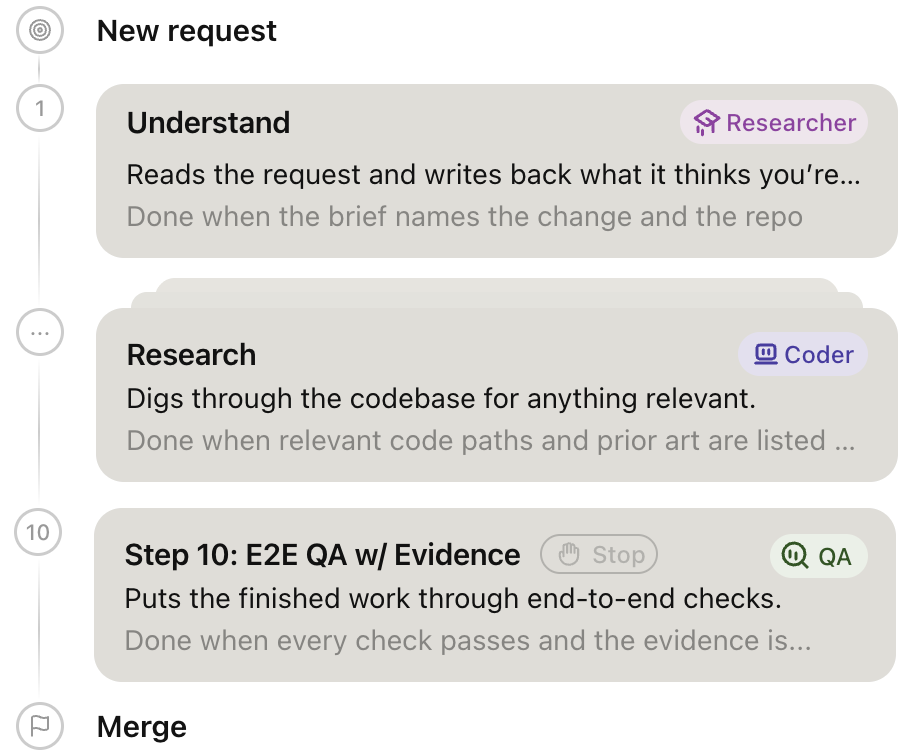
Manage a fleet of parallel agents to spec, plan, build, QA, and ship work to your standards.
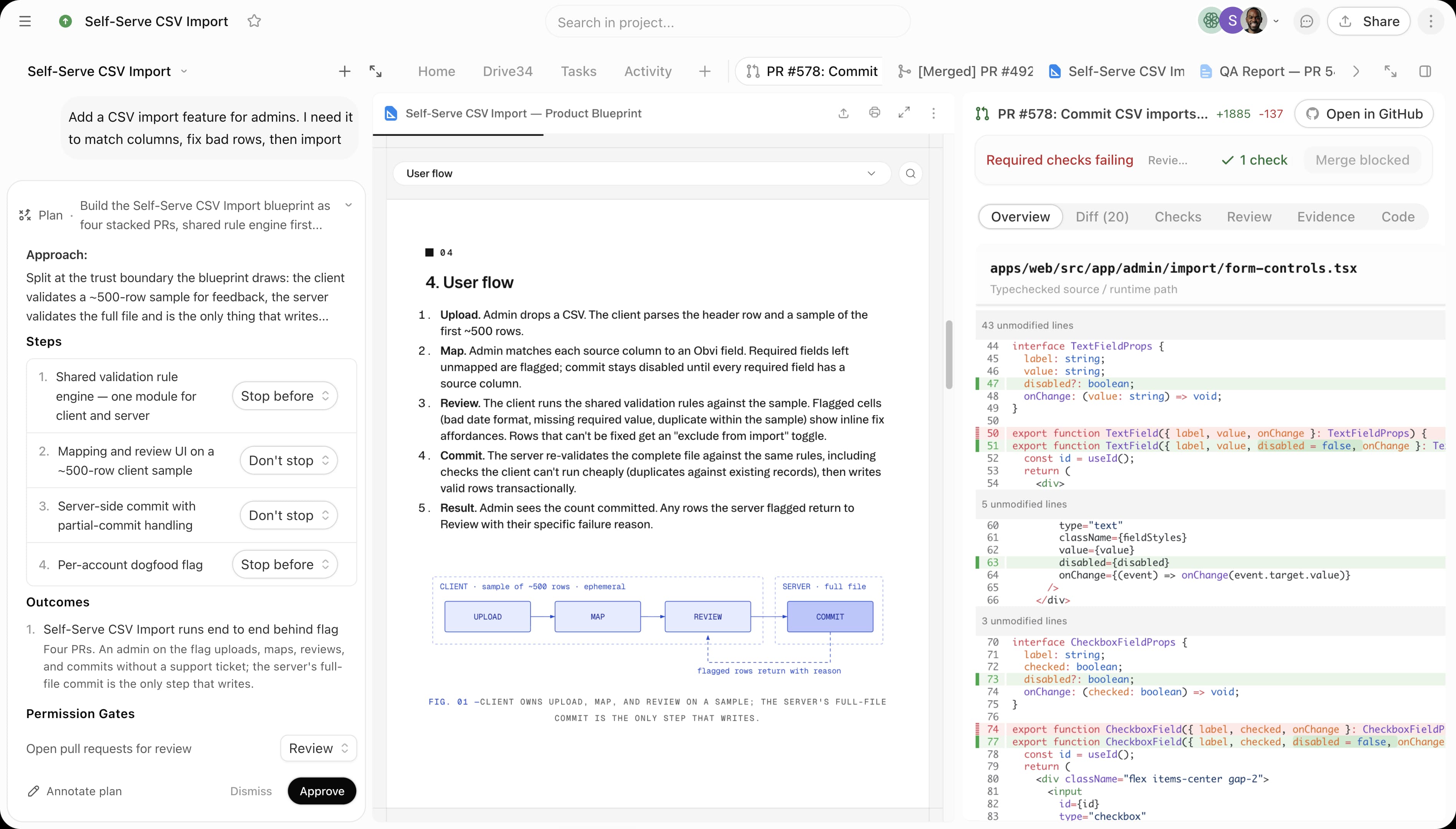














Design the loop, review the output, and give every run a safe place to execute.
Loop Designer. Turn any workflow into a factory for bugs, backlogs, PRs, features, and more. Run on demand, by trigger, or on a schedule.
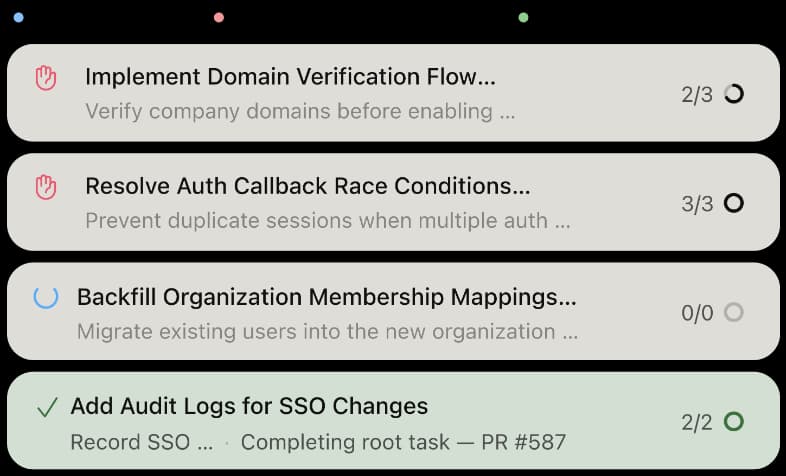
Factory Cockpit. Monitor active work, review progress, and step in when needed. See what agents are doing, what’s blocked, and what’s ready for review from one place.
Sandbox. Give every task an isolated environment to build and test safely. Agents can make changes, run checks, and validate work without interfering with other work in progress.
Run specialized agents in parallel and coordinate work across people and AI.
Custom Agents. Give each agent its own role, skills, knowledge, and boundaries. Use them on demand or assign them recurring work across your projects and workflows.
Parallel Agents. Automatically break larger jobs into independent tasks and run agents in parallel, moving research, specs, fixes, and features forward at once.
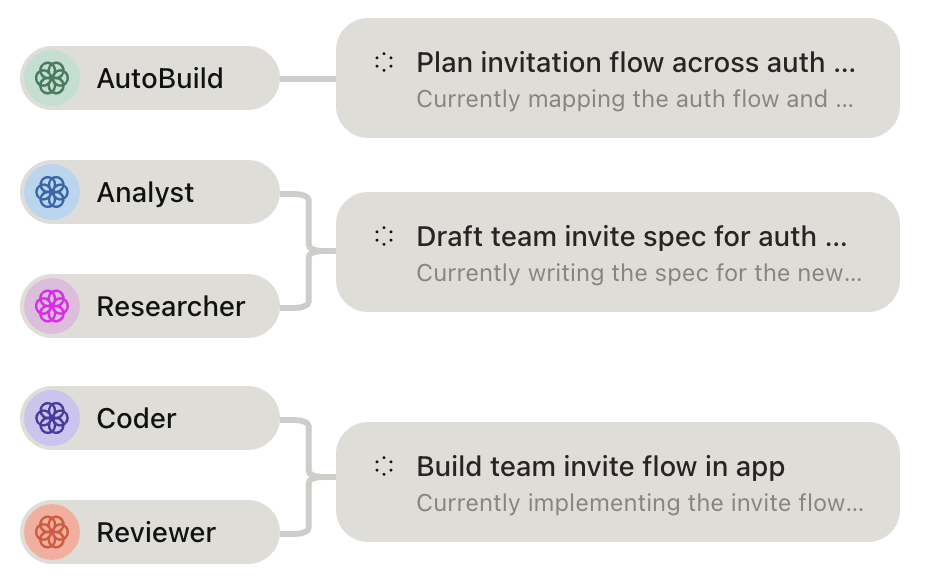
Multiplayer. Comment, assign, and hand off work between people and agents, live or async. Everyone works from the same context, resources, and permissions.

Define the tasks, skills, commands, and models behind every workflow.
Skills. Package repeatable knowledge and instructions into reusable skills, giving agents the context and tools for specialized work.
Model Freedom. Get frontier performance at a discount with freedom to match the right model for each job.
Tasks. Send work of any size and let agents take it from request to result, with human input only when needed.
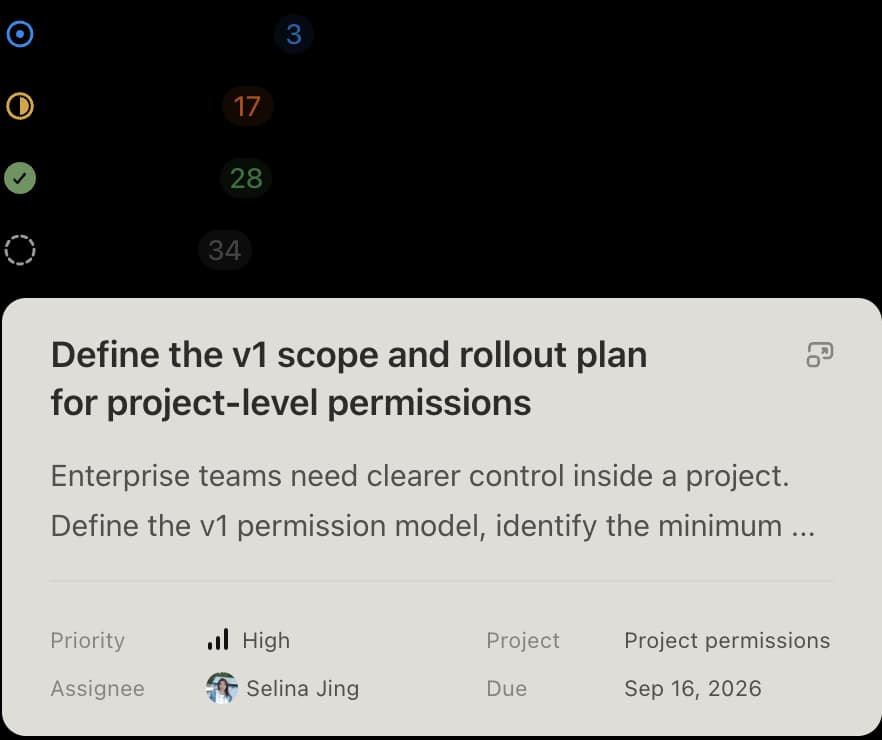
Commands. Turn common actions into reusable shortcuts. Define what should happen, then run the workflow on demand without rebuilding the process each time.
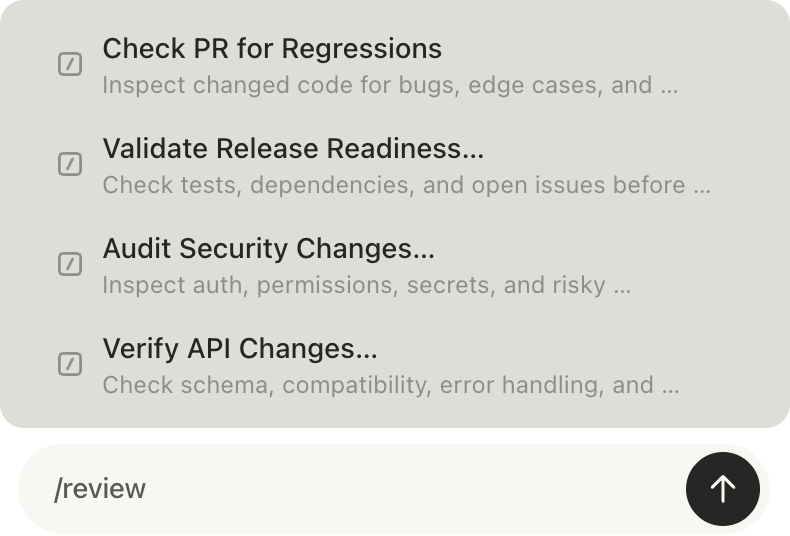
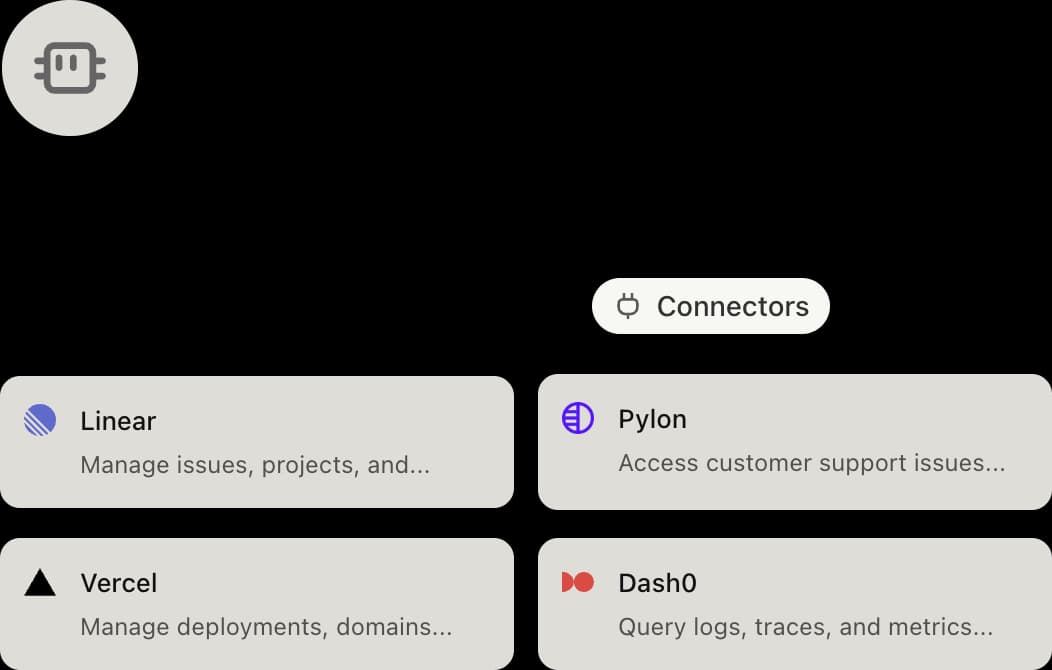
With access to planning, code, infrastructure, and production systems, AutoBuild can pick up context, do the work, and move it across the stack from context to execution.
View integrations



















10 clips. Use the arrow keys to move along the rail, and each card to play or pause its clip. Pausing reveals a mute control.
AutoBuild is Obvious's autonomous software factory. It takes work from intent to merged PR: planning, decomposing, delegating to specialist agents, running QA, shepherding reviews, and shipping, with humans setting direction and handling exceptions. Work moves through six pipeline stages (Intake, Build, QA, Release, Document, Monitor), and every initiative runs an eight-phase loop from UNDERSTAND to DELIVER.
Learn more about AutoBuild →A connected git provider, the repos you want enabled, and a dev stack that installs, builds, and tests. The wizard provisions a sandbox per repo with the code cloned and dependencies installed, and the setup worker verifies the stack works before installing the harness; the factory gates on a healthy local environment rather than shipping a contract agents cannot use. CI commands are declared in config.yml and run as-is. A sandbox snapshot captures the working state so future tasks spin up in seconds instead of cold-starting from scratch.
An orchestrator agent plans and delegates; worker agents execute focused subtasks on isolated sandbox computers, each with your repo cloned. The orchestrator runs an eight-phase loop (UNDERSTAND, RESEARCH, DECIDE, SPEC, PLAN, DECOMPOSE, EXECUTE, DELIVER), pins a Blueprint spec as the source of truth, and decomposes the work into a task tree with dependencies and parallel batches. Coder agents implement, create PRs, and own them through merge. QA runs automatically with collected evidence, review routes by file pattern, and the release service coordinates multi-PR initiatives while the orchestrator cascades completions to unblock dependents.
Learn more about how AutoBuild works →Existing codebases are the default mode. The onboarding wizard connects your GitHub account (or an alternative git provider), selects repos, and provisions one sandbox per repo with the code cloned. A setup worker then runs eight phases against the code you already have (scan, local-dev verification, snapshot, atlas mapping, security analysis, harness assembly, validation, setup PR) and refuses to write the .obvious/ contract if your dev stack does not install, build, and test cleanly. Your existing CI keeps running with commands declared in config.yml, the factory's QA and review checks post alongside it, and PRs created outside the orchestrator can be adopted automatically.
You direct the factory. Describe the work, approve the plan before any coder agent spawns, approve PRs as they land, and handle the exceptions the factory escalates; between those gates, the factory runs. When the orchestrator hits ambiguity or a trade-off, it asks with an informed recommendation rather than guessing. A running task that drifts gets redirected with a steer; the agent addresses the change and re-runs CI.
Control lives in the harness. config.yml declares the base branch, merge method, review routing rules, CI commands, preview URL templates, and QA paths; obvious.md carries agent guidance and non-negotiables; repo skills in .obvious/skills/ add runbooks agents load on demand. Merge behavior is yours to set: with humanMerge on, a human performs every merge. One floor holds: platform safety rules, permission gates, and tool-layer enforcement cannot be weakened by repo config.
The daily standup digest gathers yesterday's activity (PRs opened, merged, and closed; status transitions; delivery times) and delivers it in your workspace and Slack. Every executable carries an audit log of status transitions, evidence, and failure categories, and lifecycle events are exposed through a public API with a stable, closed vocabulary where renaming an event is a breaking change. Each PR ships with a generated reading guide (marked stale if the PR updates after generation), so review starts with a five-minute brief instead of a cold diff.
Copilot and Cursor are coding agents: a model assisting a developer who is doing the work, at the scale of a single file or prompt. AutoBuild is a factory: an orchestrator that plans, coder agents that execute in parallel on isolated sandboxes, QA that collects evidence, review routed by file pattern, release management for multi-PR initiatives, and a self-improvement loop that proposes harness fixes for human approval. A coding agent writes code; a factory ships software. Your involvement compresses to two gates, plan approval and PR approval, instead of steering every step.
On cost visibility, the product tracks spend per executable, per initiative, and per workspace, so teams see the unit economics of each piece of work and watch cost-per-PR trend as the factory optimizes.
Explore plans →Turn specs, backlogs, and product ideas into coordinated engineering work.
